Yes, beer can age like wine, but only some of it can, depending on the style. Most beer, from your lagers to your IPAs, is brewed to be enjoyed fresh, or as close to fresh as possible. Many flavors in beer break down over time, so older beer loses its balance of flavor and carbonation. But a few styles, mostly the boozy and funky ones, can actually improve in quality over several years, assuming they’re kept in the right conditions.
Quick Reference: Beers that Age Like Wine (and Beers that Don’t)
| Style | Ages Well? | Why? | Ideal Drinking Window |
|---|---|---|---|
| Barleywines | Yes | High ABV and residual sugars keep it going | 2–10 years |
| Imperial Stouts | Yes | Alcohol and malt preserve the beer, while oxidation adds sherry and toffee notes | 1–5 years |
| Belgian Strong Ales and Quads | Yes | Malt-forward, low hop bitterness, so it holds up well | 1–5 years |
| Sours and Lambics | Yes | Brett and Lacto yeasts keep working in the bottle | 1–10+ years |
| IPAs and Hazy IPAs | No | Hop aroma fades within weeks | Drink fresh |
| Pilsners and Light Lagers | No | These are delicate, and they don’t preserve well | Drink fresh |
| Wheat Beers | No | Yeast-driven aromatics fade fast | Drink fresh |
Why Some Beers Age Well
Beers age well for different reasons, but the main factor is alcohol and sugar. Alcohol and sugar act as preservatives, and hops don’t.
High-ABV beers and those with a lot of residual sugar have more substance for slow oxidation to gradually work with over time. Over the years, something with a bready, malty character can transform into something nuttier, then toffee-like, then eventually sherry-like. This is due to a slow chemical process that requires alcohol and sugar to work.
Beers with active Brettanomyces or Lactobacillus (found in most sours and lambics) also age well, but for a different reason. Brett and Lacto are still active in the bottle after packaging, and they continue to change, and often improve, the flavor of the beer.
Hops don’t work that way. The aromatic compounds found in hops are volatile and break down over a few weeks or months. If you want the most flavorful IPA, you should pick the freshest option.
Beer Styles Worth Cellaring
If you want to sit on a beer for a while, these styles tend to improve the most. I say “tend to” because quality is a huge factor, with lower-quality beers aging the wrong way.
- Barleywines: Barleywine is pretty much designed to age. The high ABV (often 8-12%) and heavy malt give it the structure it needs to hold up for a decade or more, slowly shifting from rich and boozy to something closer to a sherry.
- Imperial Stouts: Similar to barleywine, imperial stouts tend to age really well. In many cases, an aged imperial stout tastes better than the fresh version. Young imperial stouts can taste hot and a little off. A year or two rounds out the alcohol and lets roasted malt flavors deepen into chocolate, dried fruit, and toffee.
- Belgian Strong Ales Quads: These styles are malt-forward and low on hop bitterness, so none of the main ingredients fade very fast. These tend to smooth out and gain dried-fruit and spice flavors over the years.
- Sours and Lambics. Sours and lambics rely on yeast to hold up over the years. Active yeast cultures continue to evolve the beer, and older lambics have a great flavor that only time can create.
How to Cellar Beer
If you have bottles that you want to age, here are a few tips:
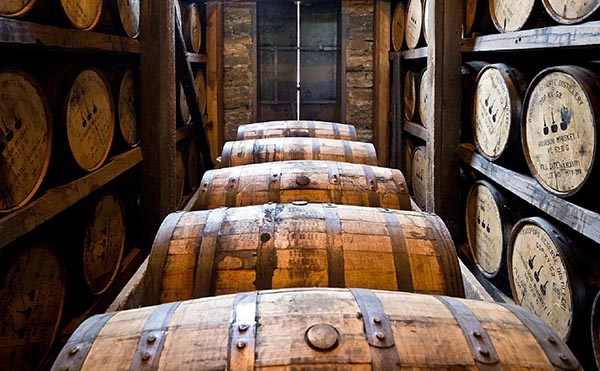
- Keep the temperature steady, somewhere between 50–70°F.
- UV light breaks down hop compounds and causes “skunking,” so store bottles in a dark place.
- Unlike wine, beer doesn’t need the cork kept moist, so store bottles upright.
- Bigger bottles tend to age slower.
Does Cellaring Beer Actually Work?
Yes, cellaring beer actually works. I have anywhere from 10-20 beers cellared at any time, and most of them are great once opened. However, not all beer ages well. If a beer wasn’t bottle-conditioned correctly, or if there was something off with the brew, an aged beer can go from ok to terrible.

- 13 Best Light Beers, Ranked - October 7, 2026
- What Is Skunked Beer? (And How to Prevent It) - October 1, 2026
- Best Mexican Beers (That Aren’t Corona) - September 29, 2026