From high ABV to low ABV, East Coast to West Coast, the IPA just seems to keep reinventing itself. One of the more recent and more interesting developments is the Cold IPA.
A Cold IPA is a style brewed with adjunct grains, like rice or corn, and fermented with lager yeasts at warmer-than-lager temperatures. Then, the brew is dry-hopped with a variety of flavorful hops, resulting in a clear, crisp, “cold” IPA. Think of it as a more crushable version of an IPA, or a much hoppier version of a lager.
Cold IPA Origins
Before getting more into what makes Cold IPAs unique, let’s examine the style’s origins. The Cold IPA was pioneered by Kevin Davey around 2017-2018, when he was head brewer at Wayfinder Beer in Portland, Oregon. He wanted to create an IPA that showed off hop flavor, but in a different way than Hazy IPAs do. The result was a crushable IPA with tons of hop flavor, a perfect spiritual successor to the West Coast IPA.
How are Cold IPAs Made?
The Cold IPA is just like any other type of beer, brewed with the same main ingredients: water, yeast, grains, and hops. However, Cold IPAs follow a specific brewing process that differs ever so slightly from the normal IPA brew.
- Grains: Unlike a more traditional IPA that relies on barley malt, Cold IPAs use 25–40% adjunct grains, like rice or corn, alongside a pilsner or pale malt base. These grains have almost entirely fermentable sugars, meaning the brew has less sweetness and a drier, lighter body. This is one of the key differences from a standard West Coast IPA, which often uses crystal or caramel malts that bring in more sweetness and body.
- Yeast: Cold IPAs use lager yeast, often a strain like 34/70, but ferment it at warmer ale temperatures than lagers (around 60–65°F). This is faster than traditional lager fermentation and yields a clean, neutral base that lets the hops shine. Some brewers may substitute a Kölsch or California lager strain with similar results.
- Hops: Cold IPAs are aggressively dry-hopped with classic American varieties you’d expect to find in an IPA, such as Citra, Mosaic, Simcoe, Centennial, and Chinook. The dry-hopping is often done during active fermentation to encourage biotransformation, which amplifies hop aroma and character.
The result is a high-attenuation beer (sometimes reaching 88% apparent attenuation) at around 7% ABV with a clean malt flavor and tons of hop character.
What Does a Cold IPA Taste Like?
Cold IPAs have a lot of hop-forward flavor, but not in an overly bitter or fruity way. Here’s what you can expect from most Cold IPAs:
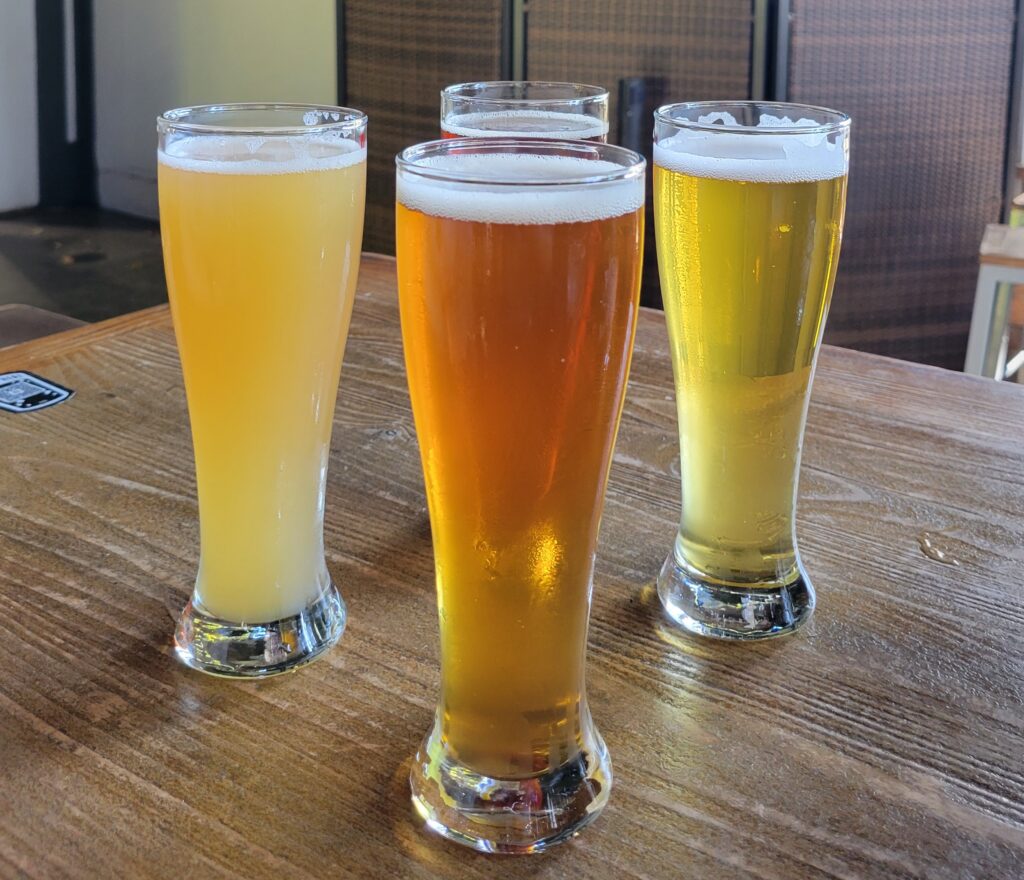
- Appearance: Crystal clear, pale straw to golden color.
- Aroma: Intense hop aromas.
- Flavor: Crisp, dry, and bitter with a lot of hop character.
- Mouthfeel: Light body, mellow carbonation.
- Finish: Dry and clean, leaving you wanting to have even more.
Cold IPAs eschew juicy, murky aesthetic of Hazy IPAs and move away from the sometimes over-aggressive bitterness of old-school West Coast IPAs. They split the difference in a way that even non-IPA drinkers can appreciate.
What Makes a Cold IPA Cold?
A Cold IPA is “cold” because of the colder-than-typical brewing process for an ale. Cold IPAs follow parts of lager recipes, including lower temperature fermenting and sometimes even lager yeasts over traditional ale yeasts.
Granted, brewers use all sorts of different processes when brewing beers, and they don’t all follow the same exact recipe. Instead of copying each other exactly, brewers might opt to lean heavier on lager yeast at a warmer fermenting temperature. Others may not use lager yeast at all, instead going with a more traditional IPA mixture, albeit at a lower fermenting temperature.
Cold IPA vs. IPL (India Pale Lager)
If you’ve ever had an IPL, you might be thinking that a Cold IPA and IPL are more or less the same thing. The end result may seem similar, but they’re more different than you might exect.
An IPL swaps ale yeast for lager yeast and typically cold ferments for a longer period of time, much like a traditional lager. They’re usually brewed entirely with malts and no adjuncts, making the final brew relatively malty in flavor.
A Cold IPA ferments warm and fast with lager yeast, uses a significant adjunct grains, and dry-hops during fermentation. The goal with a Codl IPA is to show off the hop flavor, while an IPL hits a better balance between malt and hop.
Where Can I Get a Cold IPA?
While the Cold IPA style has grown beyond Oregon, Portland remains one of the best places to find the beer. Relapse Cold IPA from Wayfinder Beer is the original, and it’s definitely worth a try.
Most Cold IPAs I’ve tried aren’t year-round releases, so your best bet is checking a local taproom. The style has spread widely enough that most breweries in hop-friendly markets have taken a crack at it.
Go Get a Cold IPA!
The Cold IPA sits right in a sweet spot that hits every ask I have of ale: hop-forward, crisp, and crushable. It’s a brewer’s beer that also happens to be approachable, a rare combination that gives me hope that the Cold IPA style will thrive for years to come.
If you haven’t tried one yet, you probably already live within reach of a taproom pouring one. Go find it!

- 13 Best Light Beers, Ranked - October 7, 2026
- What Is Skunked Beer? (And How to Prevent It) - October 1, 2026
- Best Mexican Beers (That Aren’t Corona) - September 29, 2026